
Use this guide to prepare for the exam, and refer to the official manual for complete details.
Driving Under the Influence (DUI) is one of the most dangerous actions a driver can take, leading to thousands of preventable deaths and injuries each year. Alaska has created strict laws with severe consequences to combat this threat. Understanding these laws is critical for passing your driver’s exam and, more importantly, for making responsible choices that protect your life and the lives of others on the road.
In Alaska, it is illegal to operate a motor vehicle while under the influence of alcohol, controlled substances, or any combination of these that impairs your ability to drive safely. The state’s laws are designed to be tough, with significant penalties that affect both a driver’s freedom and finances, even for a first offense.
DUI & Implied Consent
A driver can be charged with DUI based on impairment or by having a Blood Alcohol Concentration (BAC) that exceeds the legal limit.
Defining DUI
A person is considered to be Driving Under the Influence if they operate a vehicle while their physical or mental abilities are impaired to the slightest degree by an alcoholic beverage, inhalant, or controlled substance. This means a driver can be arrested and convicted of DUI even if their BAC is below the legal limit, as long as there is evidence of impairment.
Blood Alcohol Concentration (BAC) Limits
Alaska law establishes specific BAC levels at which a driver is automatically considered to be under the influence. This is known as the “per se” limit.
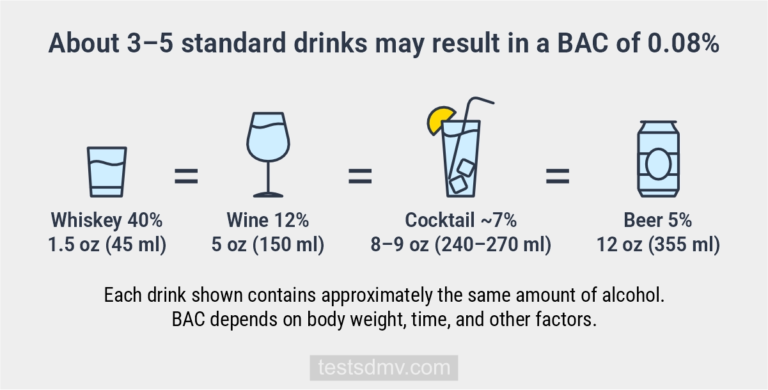
- Drivers 21 or Older: It is illegal to drive with a BAC of 0.08% or higher.
- Drivers Under 21: Alaska has a “Zero Tolerance” law. It is illegal for a person under 21 to drive with any detectable amount of alcohol in their system. A first offense results in an administrative license revocation of at least 30 days.
- Commercial Drivers (CDL): It is illegal to operate a commercial motor vehicle with a BAC of 0.04% or higher.
Implied Consent Law
By operating a motor vehicle on Alaska’s public roads, a driver has automatically given their consent to take a chemical test of their breath, blood, or urine to determine their BAC. This is known as the Implied Consent law. A law enforcement officer can request this test if they have probable cause to believe a driver is under the influence.
Refusing to submit to this chemical test is a serious offense with its own set of penalties. A refusal will result in two separate charges: one for the DUI and one for the refusal. The penalties for refusal are often as severe, or even more severe, than those for a first-time DUI conviction, and there are no limited “work purpose” driving privileges available during the revocation period.
🔒
This is Premium content. Get access to restricted content — extended DMV Tests, Study Guides, and CDL exams.
Get Premium AccessAlready purchased? Log in
