
Use this guide to prepare for the exam, and refer to the official manual for complete details.
Driving Under the Influence (DUI) is one of the most dangerous and severely punished offenses a driver can commit. Alcohol and drugs impair judgment, coordination, and reaction time, turning a vehicle into a deadly weapon. Understanding Alabama’s strict DUI laws is essential not only for passing the driver’s test but for making responsible choices that prevent tragic, life-altering consequences for yourself and everyone else on the road.
DUI & Implied Consent
In Alabama, a person can be charged with Driving Under the Influence (DUI) for operating or being in actual physical control of a vehicle while impaired. This is not limited to just alcohol.
Defining DUI
A DUI charge can result from impairment by:
- Alcohol: Having a Blood Alcohol Concentration (BAC) at or above the legal limit.
- Controlled Substances: Being under the influence of illegal drugs like marijuana, cocaine, or any other substance listed in Alabama’s controlled substance schedules.
- Prescription or Over-the-Counter Drugs: Being under the influence of any substance, legal or not, to a degree that renders the person incapable of safely driving. It is not a defense that the drug was legally prescribed.
- Combined Influence: A combination of alcohol and any other substance that impairs driving ability.
Blood Alcohol Concentration (BAC) Limits
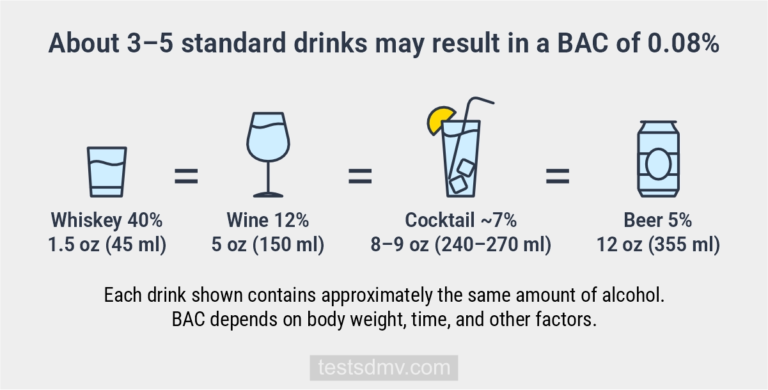
Alabama law establishes “per se” BAC limits, meaning that if a driver’s BAC is at or above these levels, they are considered legally intoxicated, regardless of whether their driving appeared impaired.
- 21 or Older: 0.08% or higher.
- Under 21: 0.02% or higher. This is a “zero tolerance” approach, as any measurable amount of alcohol can lead to a DUI charge for a minor.
- Commercial Vehicle Drivers: 0.04% or higher while operating a commercial vehicle.
The Implied Consent Law
By operating a motor vehicle on any public highway in Alabama, a driver has automatically given their consent to a chemical test of their blood, breath, or urine to determine the presence of alcohol or drugs. This is known as the “Implied Consent” law.
- Refusing a Test: If a driver is arrested for DUI and refuses to submit to a chemical test when directed by a law enforcement officer, their driver’s license will be suspended. For a first-time refusal, the suspension is 90 days. For a second or subsequent refusal, the suspension is one year. This suspension is an administrative penalty and occurs even if the driver is later found not guilty of the DUI charge in court.
Common Mistake:
Many people believe that if they refuse the breathalyzer test, they cannot be convicted of DUI. This is false. A prosecutor can still use other evidence, such as the officer’s testimony about erratic driving, slurred speech, failed field sobriety tests, and the fact of the refusal itself, to secure a conviction.
🔒
This is Premium content. Get access to restricted content — extended DMV Tests, Study Guides, and CDL exams.
Get Premium AccessAlready purchased? Log in


