Use this guide to prepare for the exam, and refer to the official manual for complete details.
Driving under the influence of alcohol or drugs is one of the most dangerous behaviors on the road, leading to thousands of preventable deaths and injuries each year. Mississippi enforces strict laws with severe, life-altering consequences to combat impaired driving. Understanding these laws, including Blood Alcohol Concentration (BAC) limits and the principle of Implied Consent, is critical for every driver to ensure their safety, the safety of others, and to avoid criminal charges.
DUI & Implied Consent
In Mississippi, a person is guilty of Driving Under the Influence (DUI) if they operate a motor vehicle while impaired by alcohol, illegal drugs, prescription medications, or any other substance that diminishes their ability to drive safely. Impairment affects judgment, reaction time, vision, and coordination.
Blood Alcohol Concentration (BAC) Limits
The state uses BAC as a standard measure of intoxication. It is illegal per se (in and of itself) to drive with a BAC at or above a specific limit.
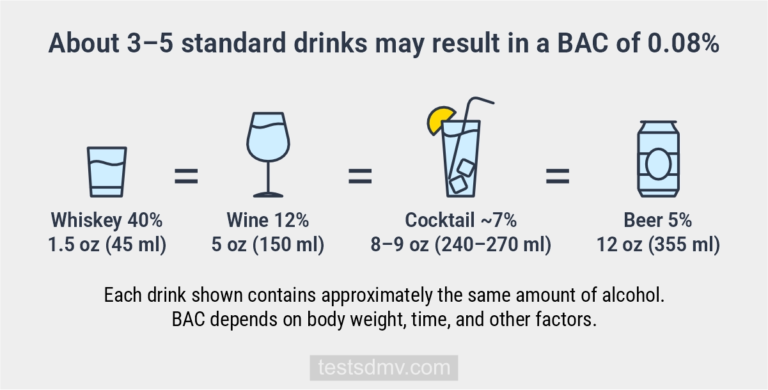
- 21 Years or Older: It is illegal to drive with a BAC of 0.08% or higher.
- Under 21 Years (Zero Tolerance): It is illegal to drive with a BAC of 0.02% or higher. This very low threshold means that even one drink can put an underage driver over the legal limit.
- Commercial Drivers (CDL): It is illegal to operate a commercial vehicle with a BAC of 0.04% or higher.
🔒 This is Premium content. Get access to restricted content — extended DMV Tests, Study Guides, and CDL exams.
Get Premium AccessAlready purchased? Log in
