
Use this guide to prepare for the exam, and refer to the official manual for complete details.
Driving under the influence of alcohol or drugs is one of the most dangerous choices a driver can make, leading to thousands of preventable deaths and injuries each year. Understanding Montana’s strict DUI laws is not just a requirement for the written test; it is a critical part of being a responsible driver. The severe legal, financial, and personal consequences of a DUI conviction reflect the serious risk that impaired driving poses to the entire community.
In Montana, it is illegal to operate a motor vehicle while under the influence of alcohol, drugs, or any combination that impairs a person’s ability to drive safely. These laws are aggressively enforced to remove dangerous drivers from the road. The state uses a combination of scientific measurements, legal principles like Implied Consent, and a tiered penalty system to combat impaired driving.
DUI & Implied Consent
A driver can be charged with Driving Under the Influence (DUI) based on several factors. The term encompasses impairment from a wide range of substances, not just alcohol.
Defining DUI
A person is considered under the influence if their ability to safely operate a vehicle is lessened to any degree by alcohol, marijuana, prescription medication, over-the-counter drugs, illegal drugs, or any combination thereof. A driver does not need to be “drunk” to be legally impaired and convicted of DUI.
Blood Alcohol Concentration (BAC)
BAC is the percentage of alcohol in a person’s bloodstream. It is the primary scientific measure of intoxication. Montana has established “per se” BAC limits, meaning that if a driver’s BAC is at or above these levels, they are considered legally intoxicated without any further evidence of impairment.
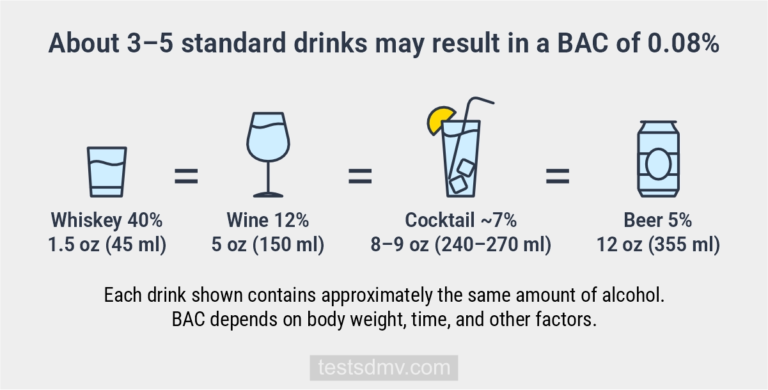
- 21 and Over: The BAC limit is 0.08%.
- Under 21: Montana has a “Zero Tolerance” policy. The BAC limit is 0.02%. This low threshold accounts for incidental exposure and makes any consumption of alcohol by a minor driver illegal.
- Commercial Drivers (CDL): The BAC limit is 0.04% when operating a commercial vehicle.
Implied Consent Law
Montana’s Implied Consent law is a crucial tool for law enforcement. The law states that any person who operates a motor vehicle on public roadways has, by the act of driving, automatically consented to take a chemical test (breath, blood, or urine) if they are arrested by an officer who has probable cause to believe they are driving under the influence.
Penalties for Refusal
Refusing to submit to a requested chemical test has immediate and serious consequences for a driver’s license, separate from any criminal DUI charges. Upon refusal, the officer will seize the driver’s license on the spot. A first refusal results in a six-month license suspension. A second or subsequent refusal within ten years results in a one-year license suspension.
🔒 This is Premium content. Get access to restricted content — extended DMV Tests, Cheat Sheets, and CDL exams.
Get Premium AccessAlready purchased? Log in

